
Resources
Helpful Safety Information for Facilities with Potential Hazardous Material Risks
Explore articles, case studies, training resources, codes and standards information, and industry insights focused on hazardous material safety, gas detection, leak detection, refrigerant monitoring, and emergency alarm systems. These resources are designed to help facility managers, safety teams, engineers, and operations leaders better understand risk, compliance, and life safety system planning.
At Ino-Tek, we support organizations across industrial, commercial, research, healthcare, and institutional environments where worker safety and reliable system performance are critical. Our resource library is designed to answer common questions, share practical knowledge, provide guidance on applicable codes and standards, and help organizations make informed safety decisions.
Browse all of our resources below or use the sort and search feature to narrow down results. Have a topic you’d like to learn more about related to hazardous materials, workplace safety, life safety systems, or code compliance? Contact us or call (855) 955-1556 to speak to our team. We enjoy sharing our knowledge, and your question may inspire a future article or resource.
Sort & Search
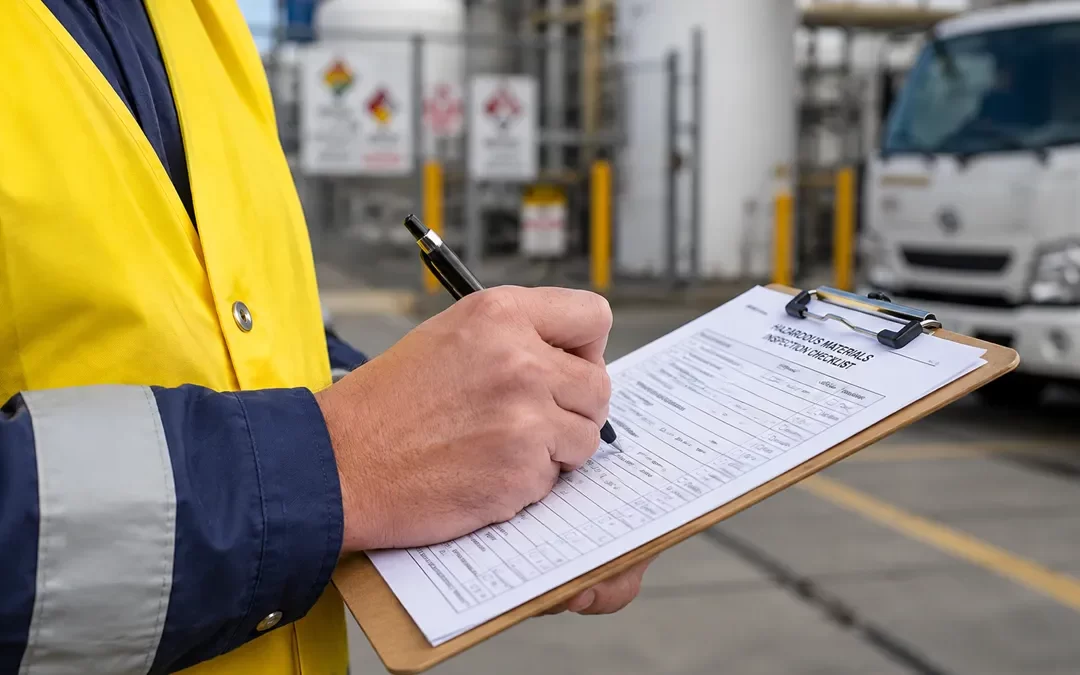
Hazardous Material Code Compliance: What Facility Owners, Architects, and Engineers Need to Know
When hazardous materials are present within a facility, code compliance becomes far more complex than simply meeting standard building requirements.…
Ino-Tek Training Programs for Inspectors, Architects & Engineers
Building codes, fire codes, hazardous material regulations, and life safety requirements are constantly evolving. New technologies, emerging industries, changing processes,…
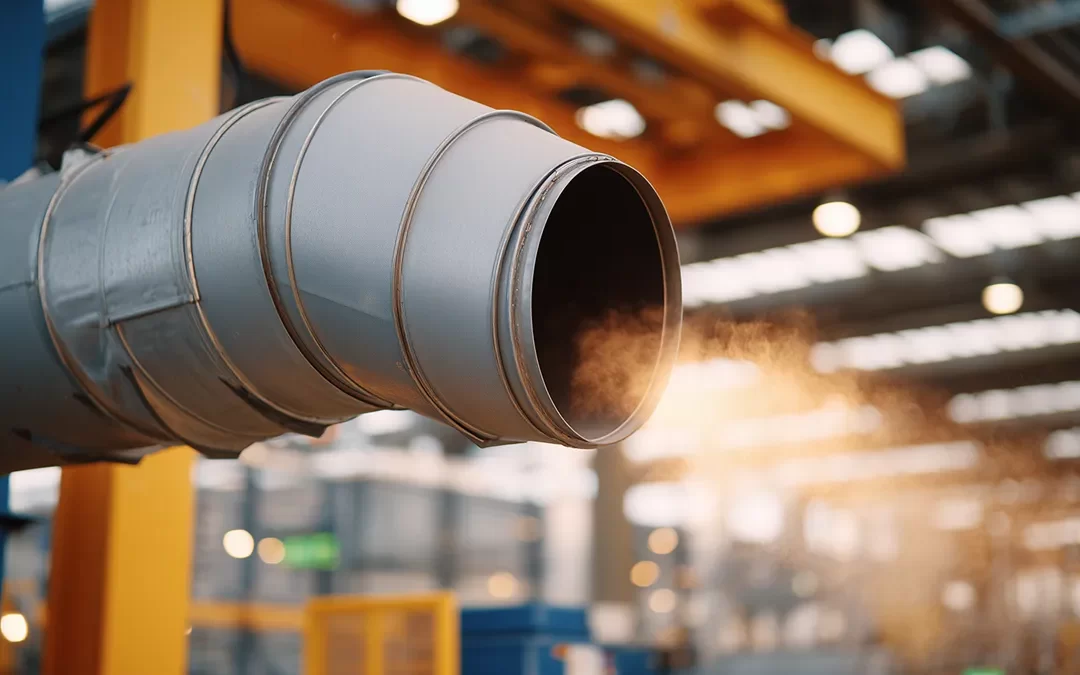
Common Combustible Dust Hazards Found in Industrial and Workplace Environments
Many people associate explosions and fires with flammable liquids, combustible gases, or open flames. However, some of the most destructive…
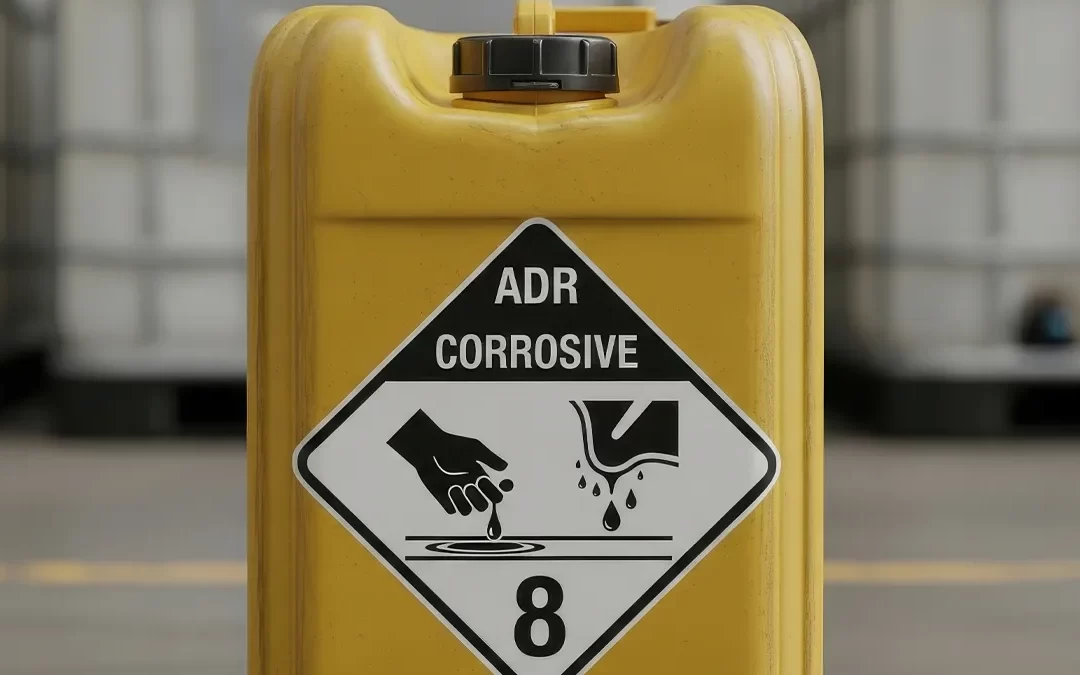
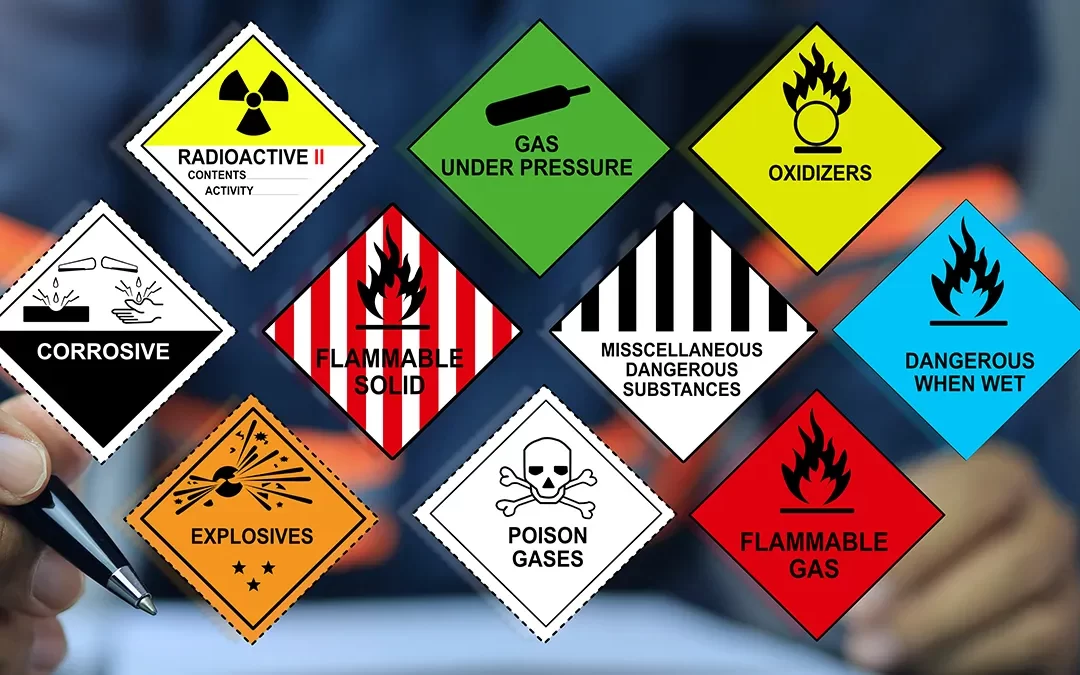
Common Corrosive Materials Found in Industrial and Workplace Environments
Corrosive materials are among the most dangerous substances used in industrial, commercial, manufacturing, utility, and research environments. Unlike many hazardous…
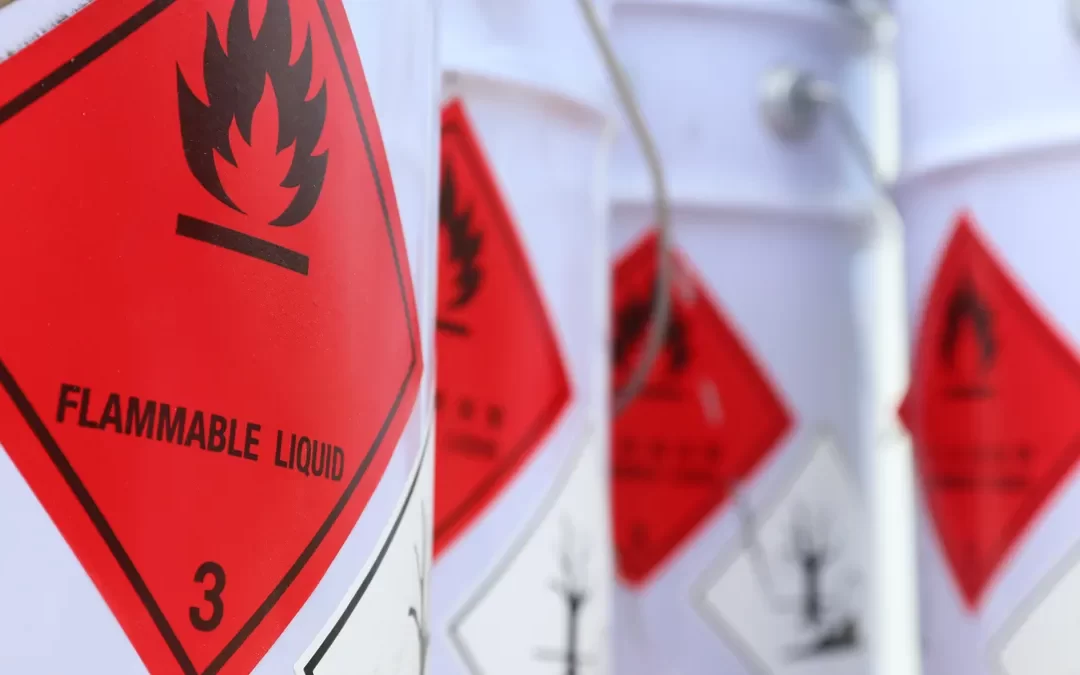
Common Flammable Gases and Vapors Found in Industrial and Workplace Environments
Flammable gases and vapors are used throughout industrial, commercial, manufacturing, research, transportation, and energy-related facilities every day. While these materials…
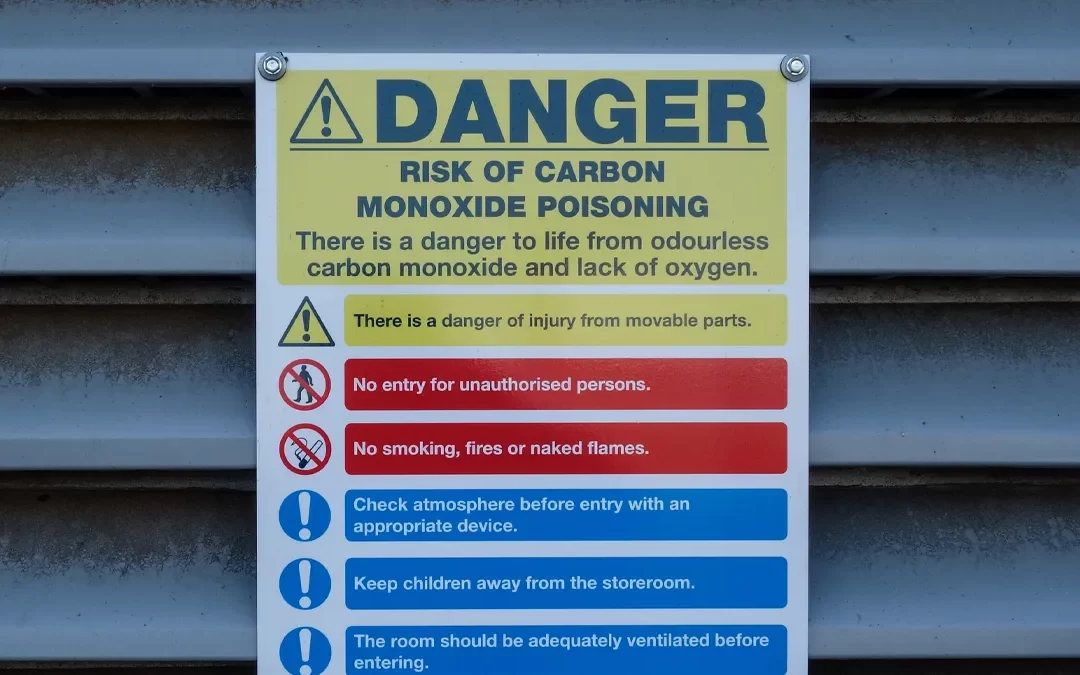
Common Toxic Gases Found in Industrial and Workplace Environments
Many industrial, commercial, healthcare, educational, and research facilities rely on gases as part of their daily operations. While these materials…
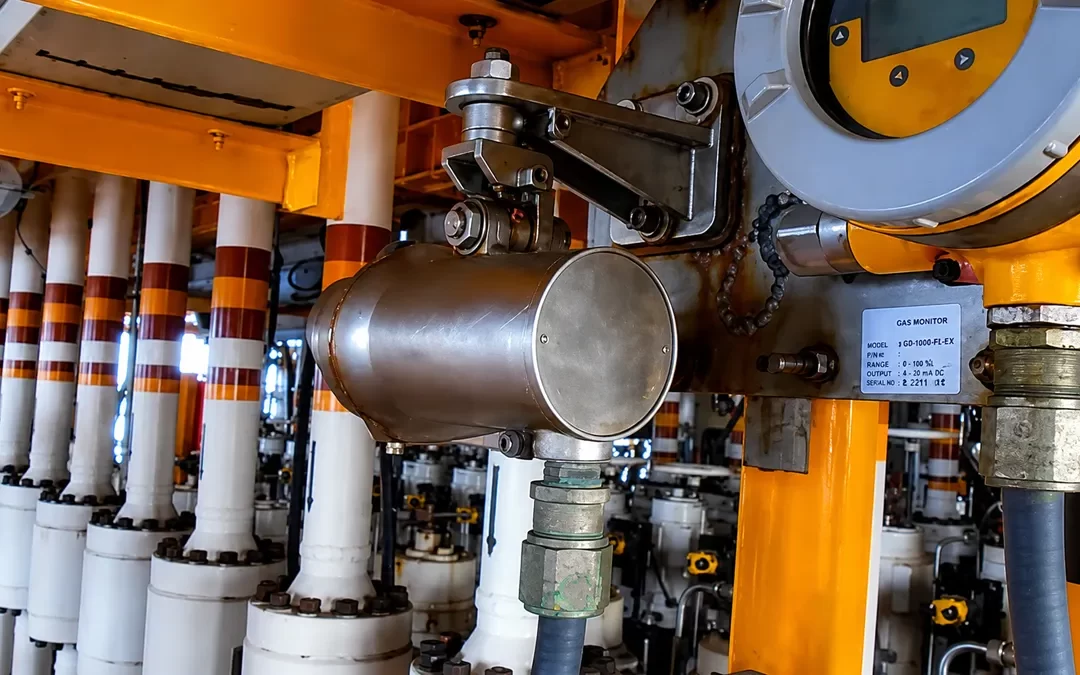
Why Calibration, Certification, and Preventive Maintenance Are Critical for Life Safety Systems
Why Calibration, Certification, and Preventive Maintenance Are Critical for Life Safety Systems Installing a gas detection system, refrigerant monitoring system,…
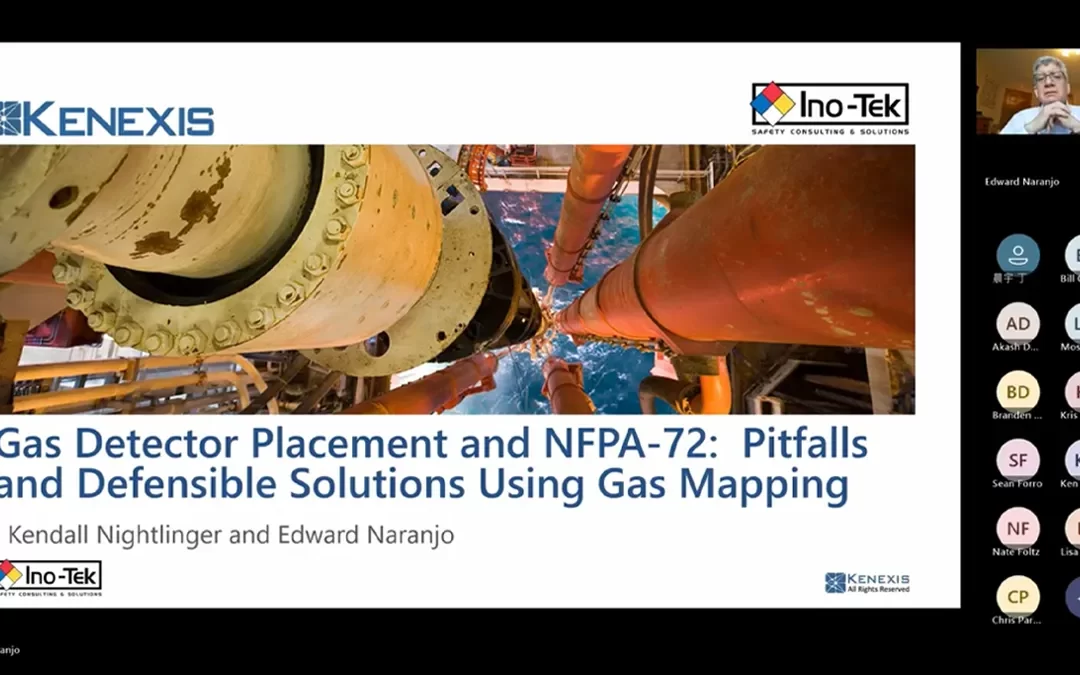
Webinar: Gas Detector Placement & NFPA 72 – Pitfalls and Defensible Solutions Using Gas Mapping
Recorded on September 18, 2025, this webinar explores one of the most important and frequently misunderstood aspects of gas detection…
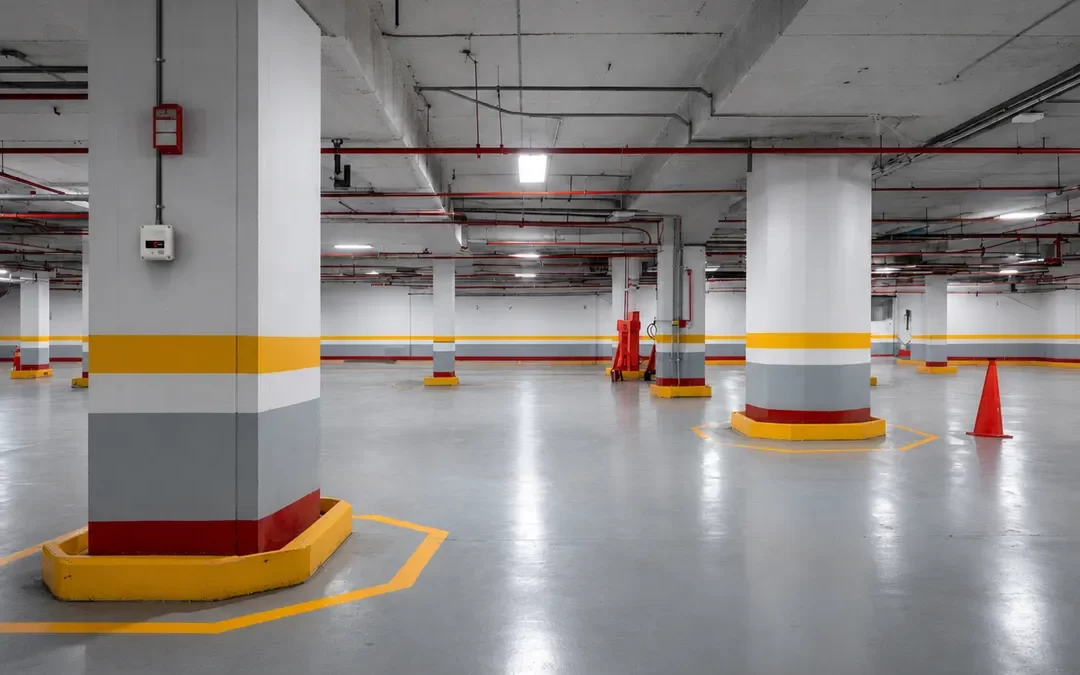
Underground Parking Garage Gas Detection: Protecting Occupants, Employees, and Facilities
Underground parking garages play an essential role in hospitals, office buildings, residential developments, universities, airports, transit centers, municipal facilities, and…
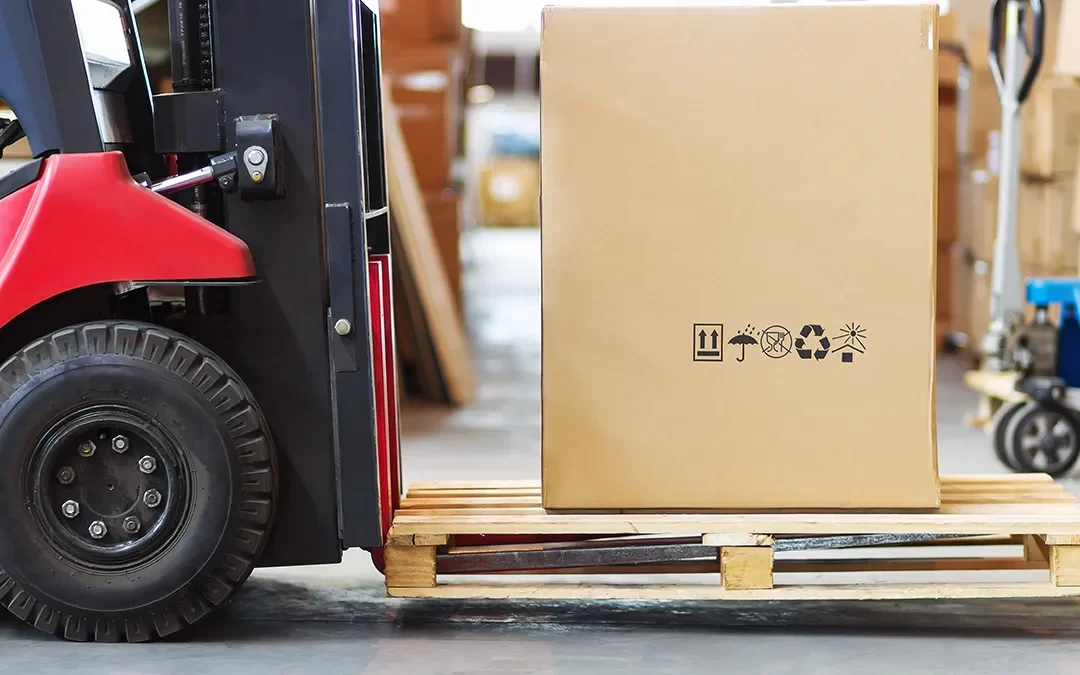
Forklift Exhaust Safety: Why Gas Detection Systems Are Critical for Indoor Facilities
Forklifts are essential to warehouse operations, manufacturing facilities, distribution centers, and countless industrial environments. While these vehicles improve productivity and…
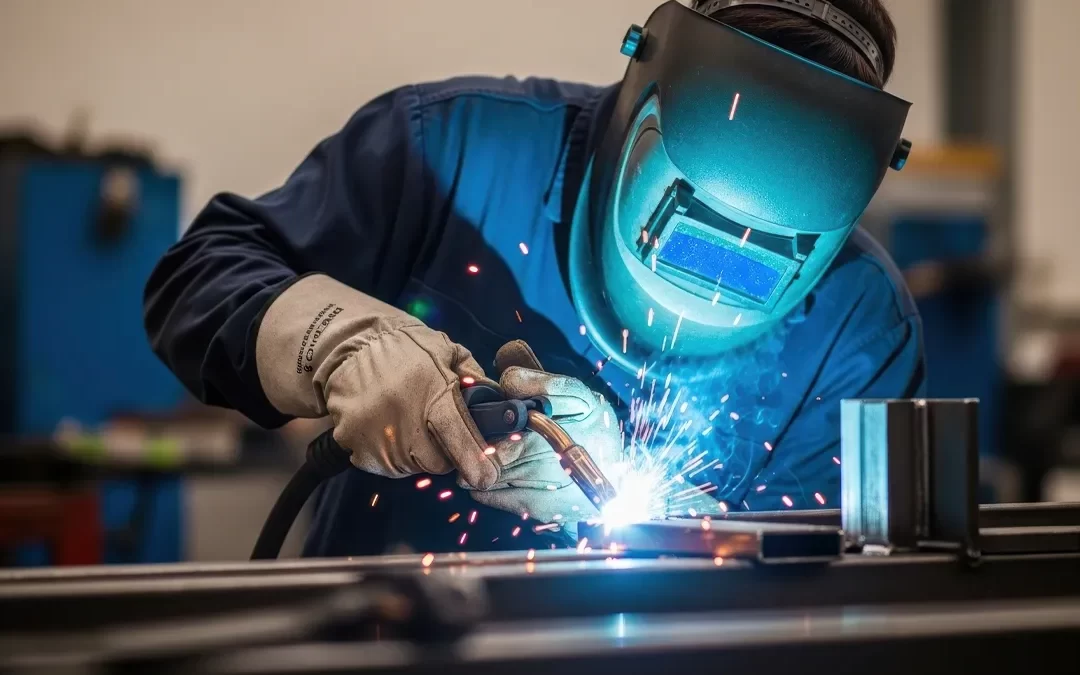
Gas Detection Systems for Oxy-Fuel Welding and Metal Cutting Operations
Oxy-fuel welding and metal cutting operations have been used for generations to fabricate, repair, and modify metal components across countless…

CO₂ Detection for Breweries, Distilleries & Brewpubs: Protecting Employees, Guests, and Your Business
Carbon dioxide (CO₂) plays an essential role in modern brewing and distilling operations. From fermentation and carbonation to dispensing systems…
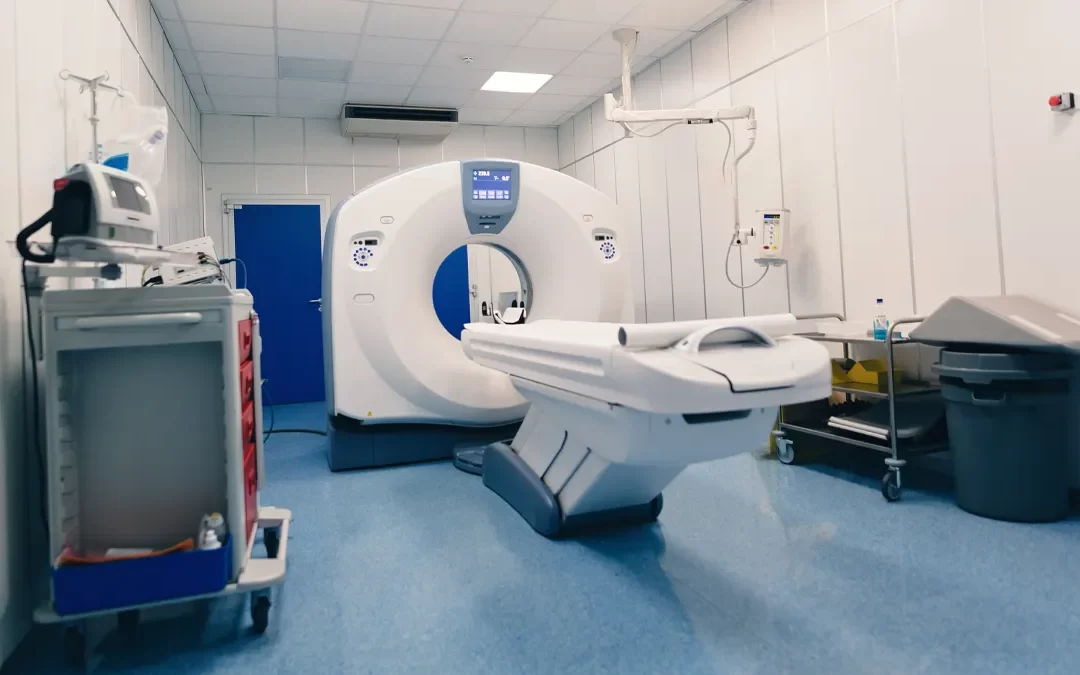
Protecting MRI Facilities with Helium Monitoring & Oxygen Deficiency Detection Systems
Magnetic Resonance Imaging (MRI) technology plays a critical role in modern healthcare, helping physicians diagnose and treat patients with remarkable…
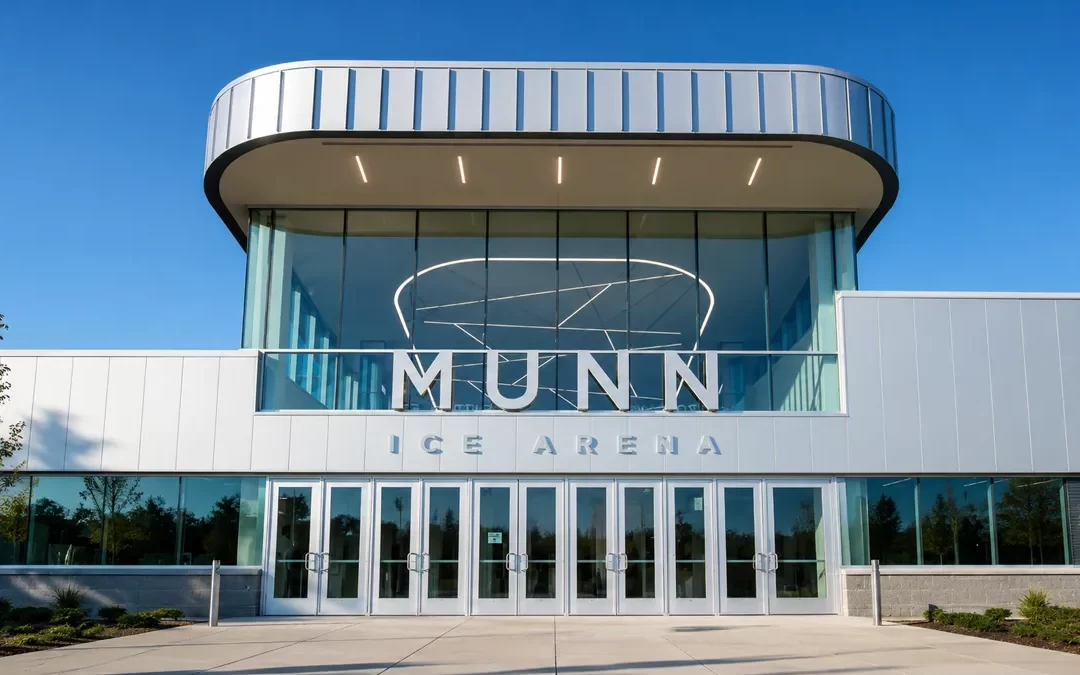
Case Study: Early Ammonia Leak Detection at Michigan State University’s Munn Ice Arena
An Ino-Tek Hazardous Material Emergency Alarm System detected a dangerous refrigerant leak at the Munn Ice Arena on the campus…
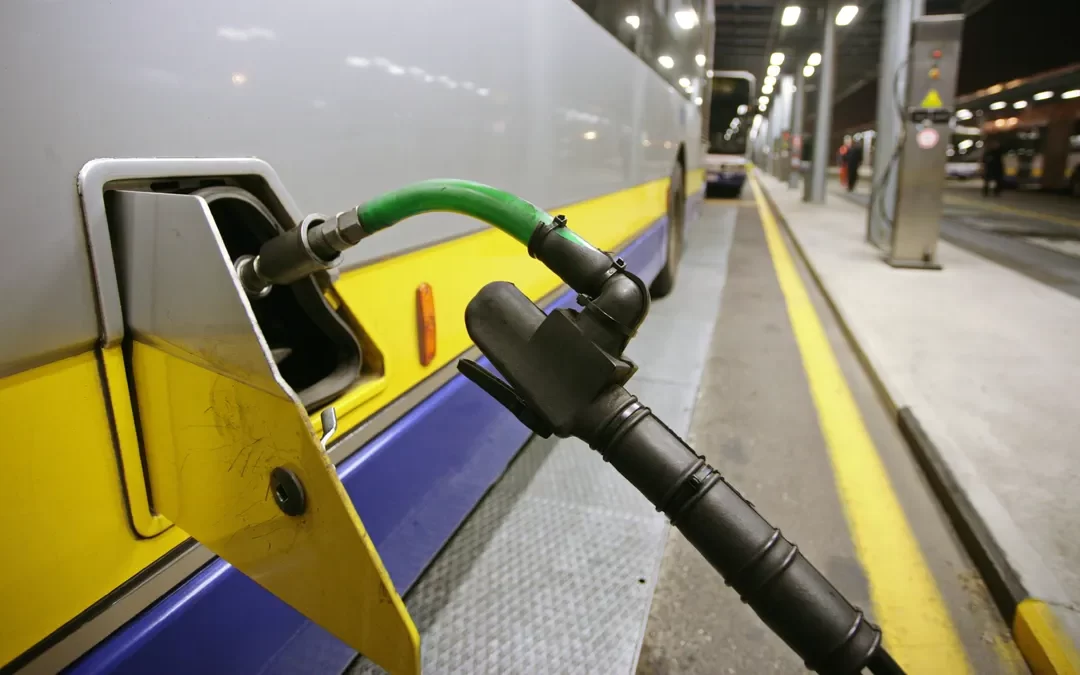
Why Propane Fleet Maintenance Facilities Require Specialized Gas Detection Systems
As municipalities, school districts, transit agencies, and commercial fleet operators continue investing in cleaner transportation technologies, propane-powered vehicles have become…
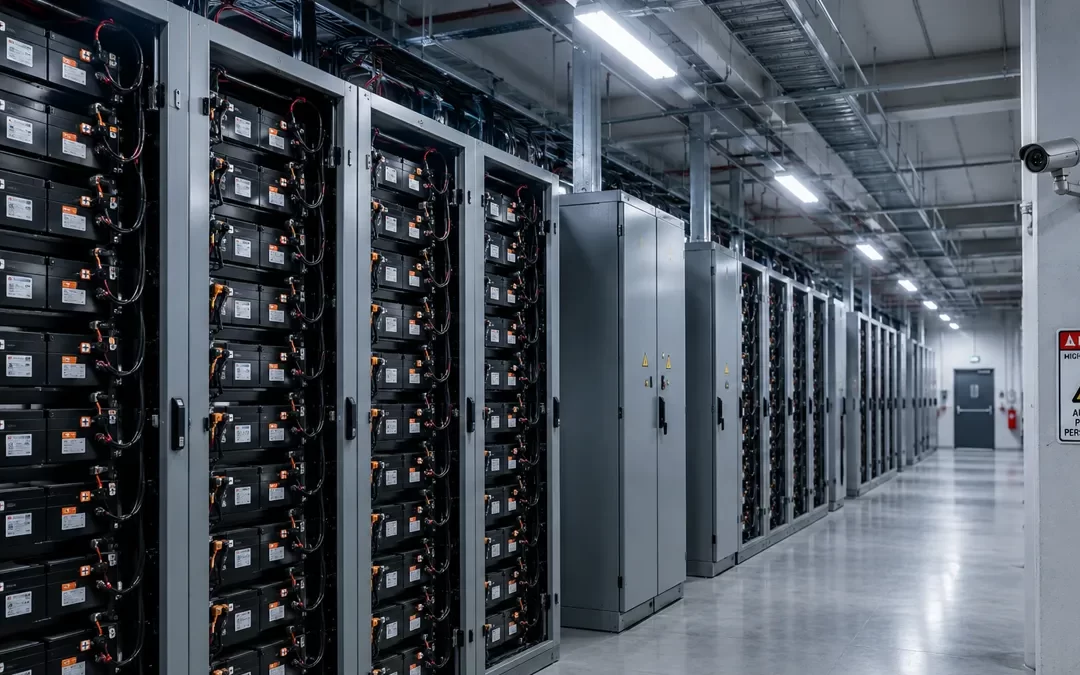
Early Fire Detection: How Infrared Technology and Gas Detection Work Together to Protect Lithium-Ion Battery Facilities
Lithium-ion batteries power today’s electric vehicles, energy storage systems, manufacturing operations, and countless other technologies. As adoption continues to grow,…

Rochester Hills Requirements for Beverage Dispensing Systems Using Carbon Dioxide (CO₂)
This document outlines the City of Rochester Hills requirements for beverage dispensing systems that utilize more than 100 pounds of…